
Campfire Curriculum: Lonesome Dove
A brief reflection on why Larry McMurtry's Western epic is an essential addition to the American Canon

Campfire Curriculum is an ongoing series highlighting great literature along themes. The first course is called Beyond the Western Edge, and Lonesome Dove is the first book in this series. I have no interest in writing literary analysis or book reviews, so I’m focussing here on a reader’s response. Let’s see how it goes; feel free to leave your impressions in the comments below as I figure out what works best here.
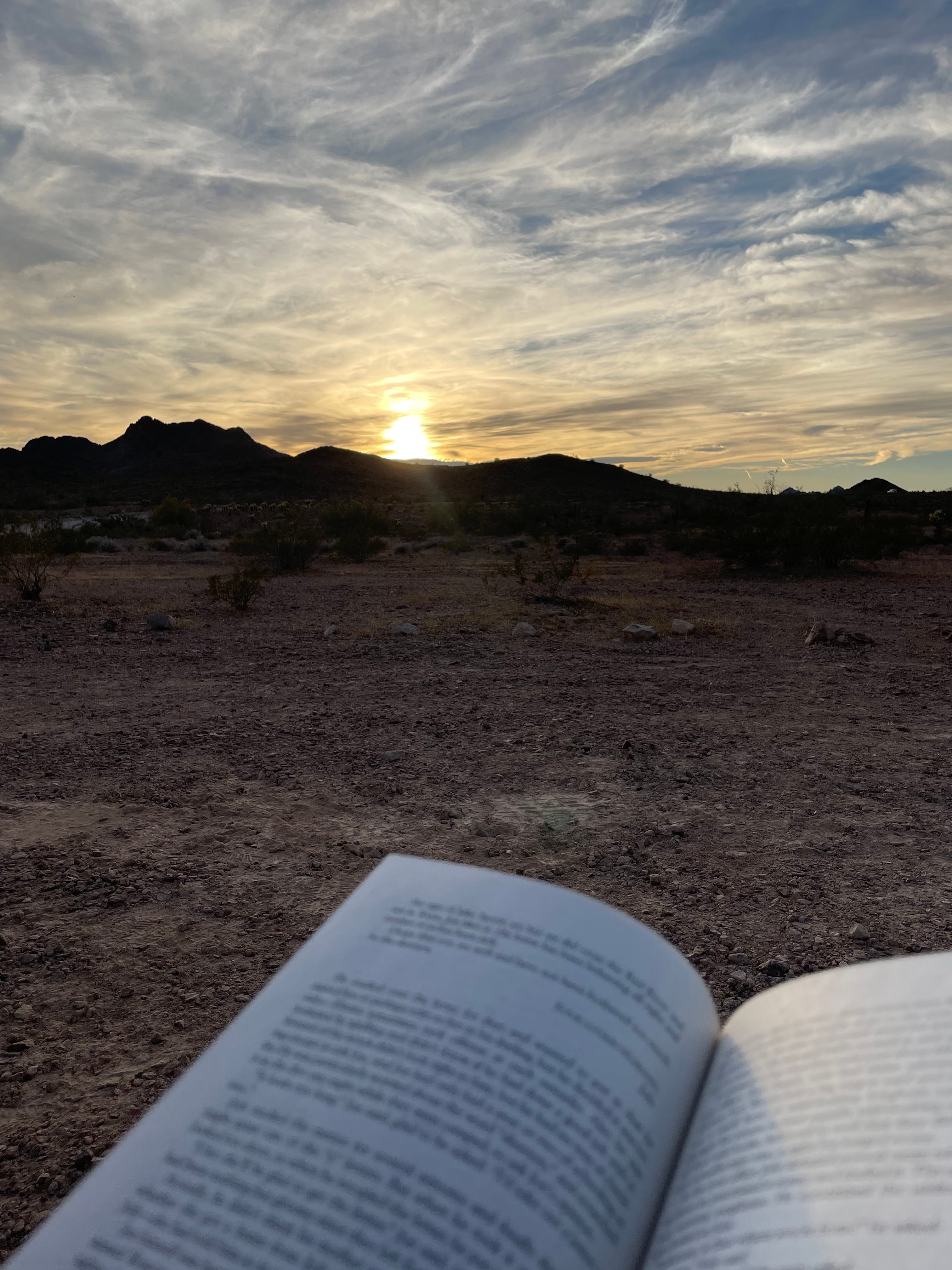
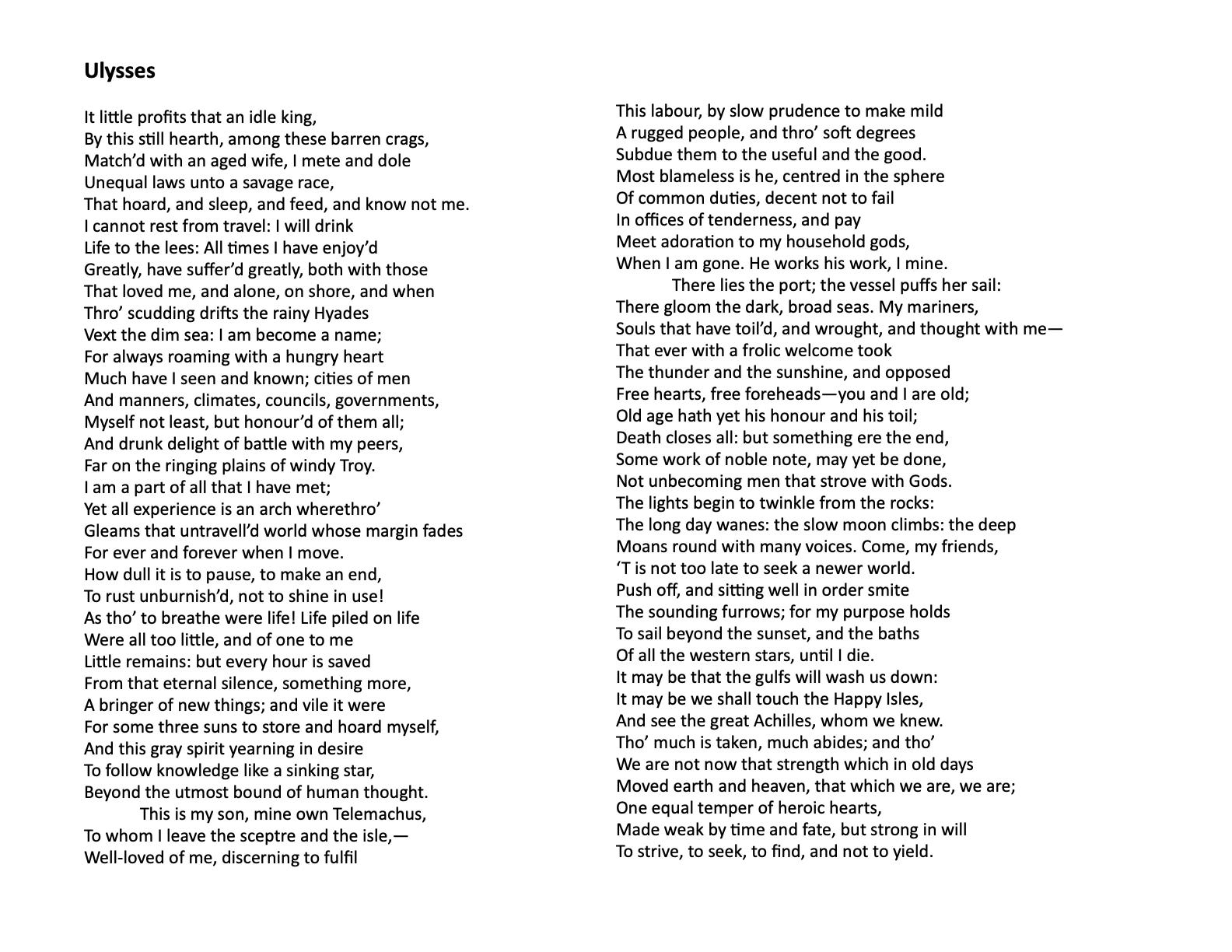
I have a working theory about the novel Lonesome Dove, but to get there requires knowing the poem Ulysses by Alfred Lord Tennyson. Here’s a refresher if you need it:
That Lonesome Dove bears striking parallels to Homer’s The Odyssey could be the entire angle of this post (and a longer essay), so I’ll try to make my case brief: the heroes of the novel, Call and Gus, are former decorated Texas Rangers who spent decades fighting Indians and outlaws to make the borderlands of Texas safe for settlement. When the novel opens, the two older men operate a cattle company in the sleepy town of Lonesome Dove, Texas, and the first third of the book takes place in this tiny border town. In the slow unfolding of Part I, not much happens, and what the reader gains is a sense of the restlessness, the boredom, and the drift of two heroes whose great trials are behind them. They are like Odysseus once he finally returns to Ithaca after twenty years of being lost at sea.
In such a circumstance such men will do what such men have always done; they will create a new adventure. And so it is that Call, Gus, and company find themselves on a cattle drive from the southern border of Texas and Mexico to the northern border of Montana and Canada—all on horseback (and foot).
There’s so much to take away from this book but here’s the angle I keep mulling over: The novel is set somewhere around the years 1876–1878 (the Battle of Little Bighorn is the only firm historical anchor to ground us). For context, the Civil War had ended little more than a decade earlier, Texas had become a state when Call and Gus were young men, Montana and most of the western states were still territories, the Oregon Trail and California Gold Rush were recent memories, and indigenous tribes still controlled much of the Great Plains.
We often like to talk about our own age as though the technological changes we are living through are novel in all of human history, but consider that in the world of Lonesome Dove barbed wire, an invention few think about these days but one that transformed the open plains into settled ranches, had just been invented but not yet widely adopted. The railroad boom had barely started, the Homesteading Act would soon push settlers from the “crowded” east all the way to the Pacific shore in the migration we now call manifest destiny. Thirty years after the novel’s setting, the automobile was invented, the Wright brothers took their first flight, and the United States entered the first World War and slowly emerged as a superpower. The young men of the novel died in a world that bore little resemblance to the one in which they were born.
What we are seeing here is the archetype of the Cowboy at its peak, and within a few decades that archetype would pass from reality to myth.
There is so much more to this book—so much to say about gender roles, the most loved character being an emancipated black man, the Indians who are at times brutal, at times peaceful, at times desperate, at times wise. It’s an America that is hard to imagine today because it feels so long ago, but my oldest grandparent was born in 1900, so this would have been the world of his father—only four generations back.
Lonesome Dove is a behemoth of a book at over 850 pages in its most recent edition, but the novel never feels slow even when not much happens. That’s the subtle mastery of McMurtry’s work. There’s no heavy-handed symbolism in his writing, no long soliloquies, no gestures toward grand literary conventions—there is just a story, steeped in complex characters and a landscape that is fully imagined. Each chapter feels like its own short story with a distinct mood, theme, and resolution, and it’s this simple, subtle trick that keeps the novel moving from beginning to end.
It’s these qualities that also made the book a rarity in the American canon—it won both the praises of the literary world and had wide-spread popular appeal. It won the Pulitzer Prize for Fiction in 1986 and has sold some 4 million copies over its forty-year lifespan (the newest edition alone sold 56,000 copies last year, which in this age is very rare). McMurtry himself was perplexed by the book’s popularity and often felt it was misunderstood; in interviews he referred to it as “a pretty good book” and “a good try.”
Well, with all due respect to the late author, I’ll politely disagree. This is the second book by McMurtry I’ve read—with more slated for later this year—and both have made a lasting impression. Lonesome Dove captures a moment in our history and the nature of the men and women who forged our national character at its best. The world they inhabited was brutal, justice was often administered in small packs, and many mistakes were made. Yet, if you walk away from this book without admiration for the men and women who inhabit it, then there’s truly something profound you are missing about what it means to be an American.
I am tired of post-colonialism, tired of white guilt and critical race theory, tired of reductionist postmodern theories that seek to eradicate characters like these by diminishing them with original sin and “privilege.” No one in this novel led an easy life, and virtue is more challenging to understand than what young people see on TikTok. I am resentful of movements that only seek to dismantle the past rather than to understand it in its own context—virtues and sins alike.
Lonesome Dove is a reminder of how far we have come and what it cost our ancestors to get here. We’d do damn well to show some gratitude for their journey.
🇺🇸
Grab a copy of Lonesome Dove at my affiliated bookstore, and while you’re there pick up my next selection Gabriel Garcia Marquez’s Chronicle of a Death Foretold.
This novel pairs well with the following cocktail and records:
Ranch Water
2 oz tequila, juice of 1 lime, 4–6 oz sparkling mineral water. ( I also like to add salt to the rim and think of this as a weekday Margarita. Lighter, refreshing). Pour over ice, stir gently.Car Wheels on a Gravel Road by Lucinda Williams
The Lonesome Crowded West by Modest Mouse
Stardust by Willie Nelson